
If new technology, improved processes and refurbished buildings save energy – then that is efficiency. A decline in production, a backlog in investment and relocations also reduce consumption – but these are not efficiency gains, rather economic losses. GES advocates strictly separating (technical) progress from economic contraction. Why is this important?
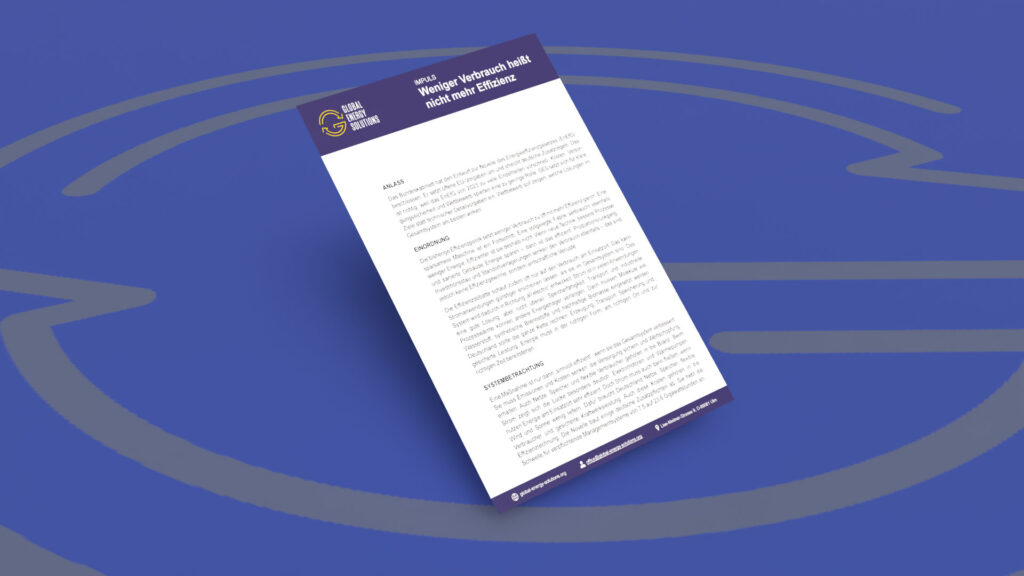
With the 2026 amendment to the Energy Efficiency Act (EnEfG), the Federal Ministry for Economic Affairs and Energy (BMWE) aims to implement outstanding requirements of the Energy Efficiency Directive (EU) whilst bringing the EnEfG into line with EU standards. The 2026 amendment points in the right direction – but it does not go far enough.
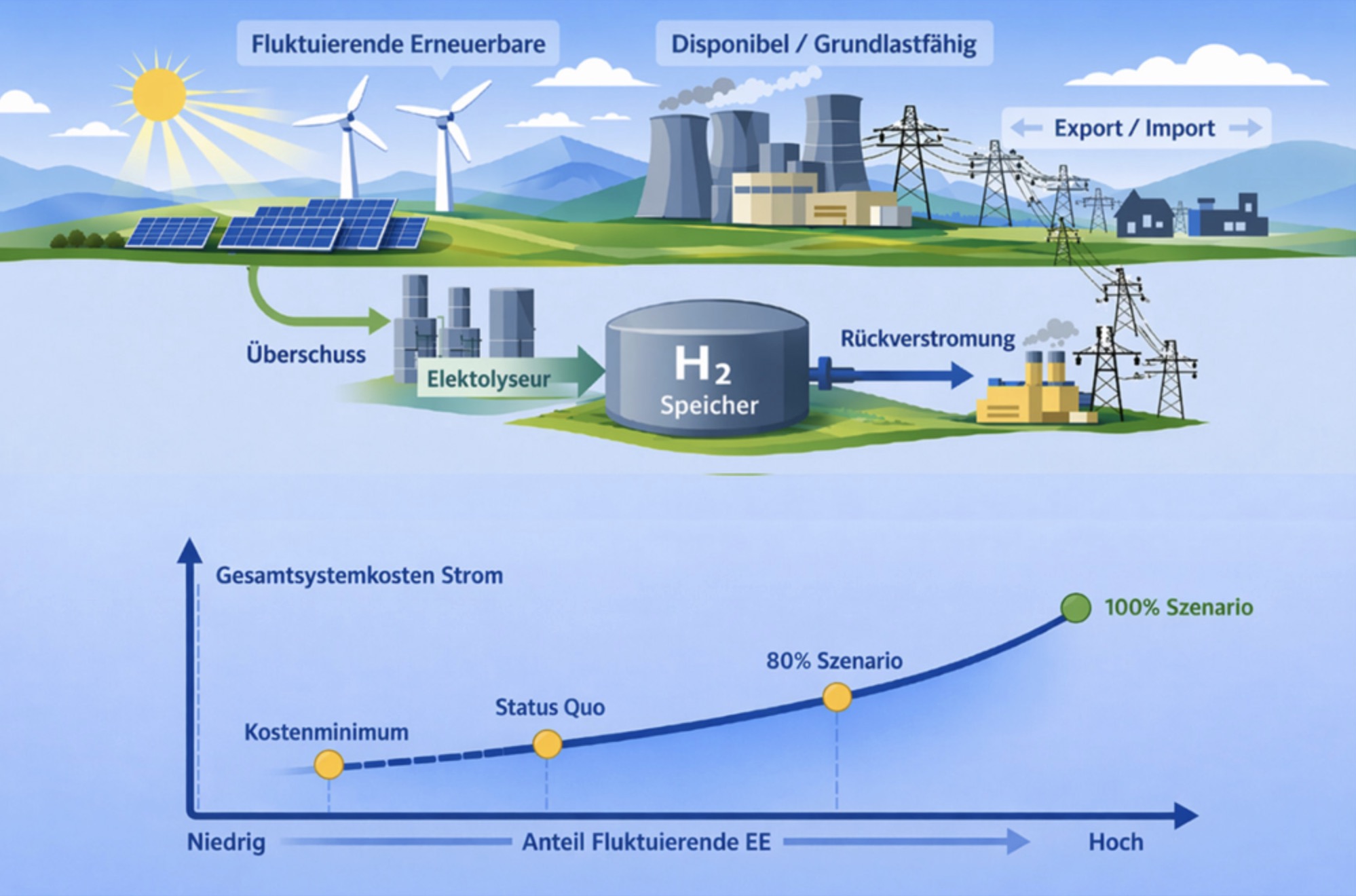
The aim is: lower emissions, affordable costs, a secure supply and strong value creation. The state should set targets, not prescribe technologies. Companies should choose the solution that reliably reduces emissions at the lowest overall cost.