Climate protection does not end at national borders – it begins with international cooperation. If we want to effectively reduce global emissions and enable sustainable development, we must start where the greatest potential lies: in the Global South. This is precisely the focus of the two articles in this newsletter – against the backdrop of the intensifying political debate in the EU and Germany and with a view to COP 30 in Belém, Brazil.
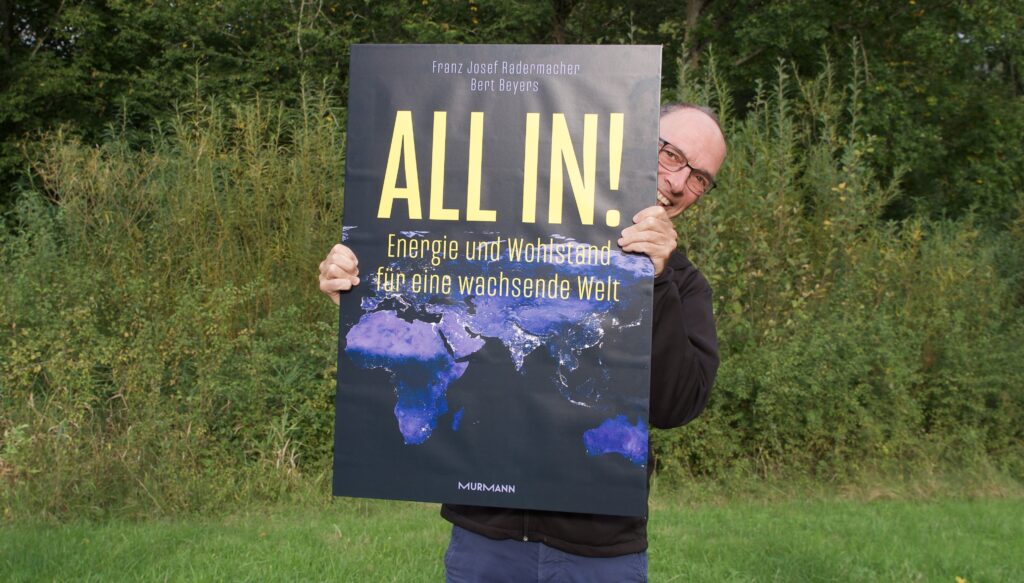
Global Energy Solutions’ ALL IN! strategy already made it clear that only through technology-neutral, development-oriented and well-funded climate cooperation can climate protection and global prosperity be reconciled – and the goals of the Paris Agreement truly be achieved.
Article 6 of the agreement is the decisive lever here: a market-based instrument that mobilises international investment, standardises CO₂ certificates and integrates developing countries into global climate markets – provided it is implemented consistently, transparently and quality-assured. The historical analysis from Kyoto to Paris, the critical assessment of European and German climate policy and the structured presentation of the opportunities and risks of such partnerships show that international climate cooperation is not only possible – it is necessary.
ChatGPT (model version July 2025) was used to help structure and formulate this text. All content has been editorially reviewed and verified. Contributions from Tagesspiegel Background Energie & Klima served as additional reference material for a differentiated assessment of the debate. The positions outlined by Global Energy Solutions in the book ALL IN! form the argumentative framework for our position.
The result is a clear plea: for real climate impact, economic sense and global justice, we must now invest in ambitious, multilateral climate partnerships – not as an alibi, but as a strategic core instrument of effective climate policy. Because climate neutrality will be decided globally – or not at all.