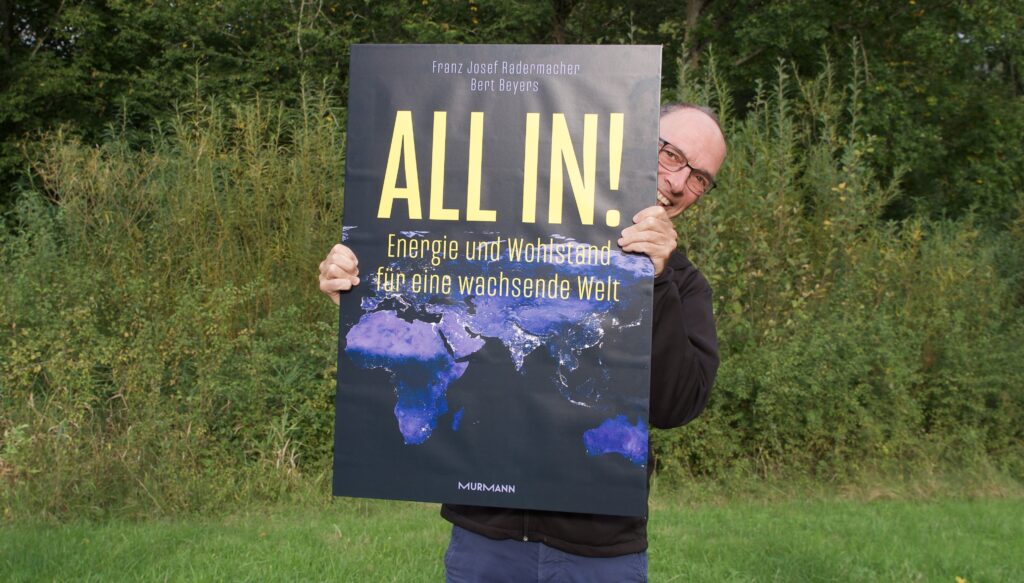
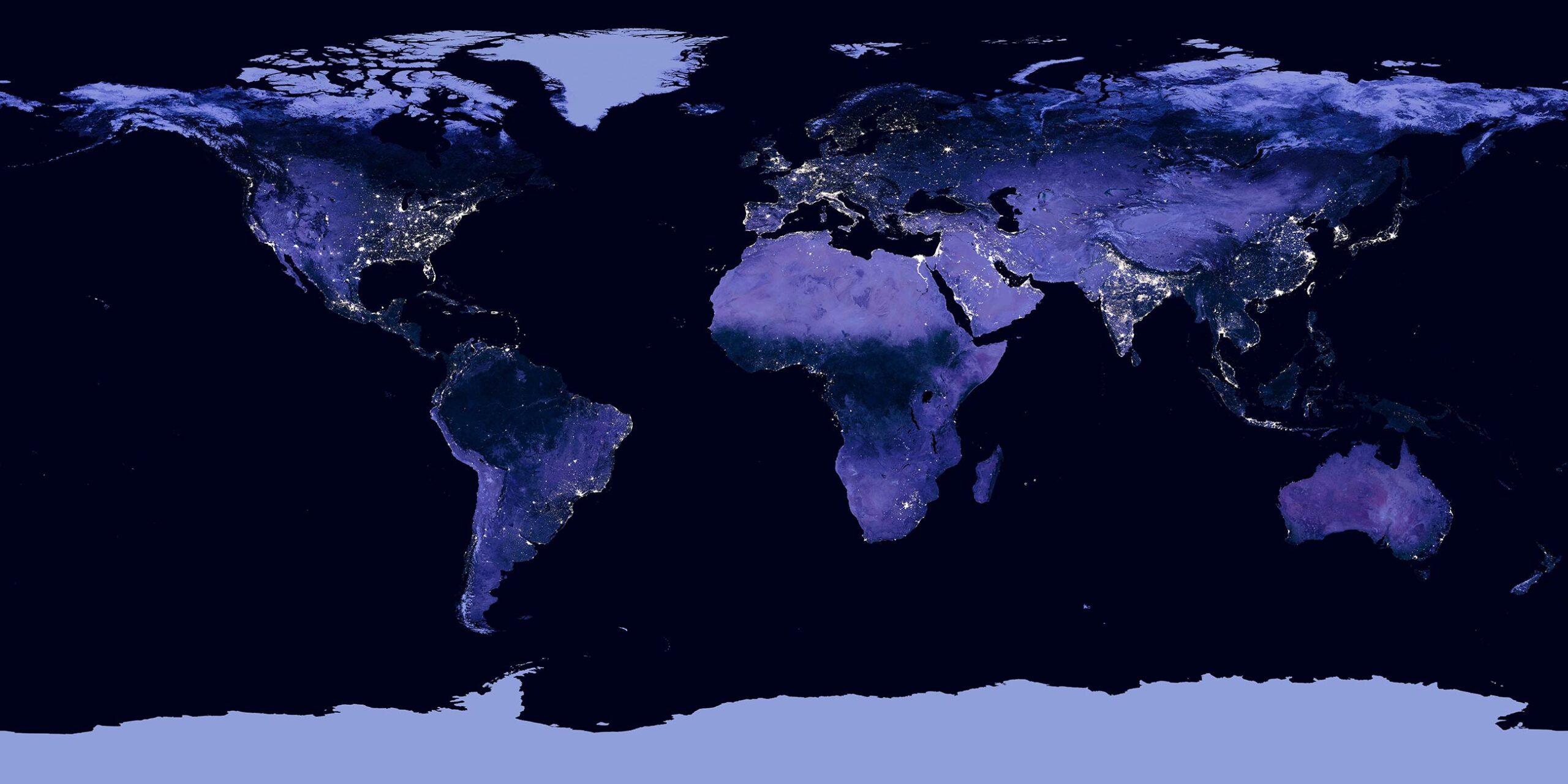
The primary goal of the world should be to reduce its ecological footprint and especially its CO2-emissions worldwide in order to enable a growing world population to live in prosperity and to preserve livelihoods. Ultimately, the aim is to achieve all Sustainable Development Goals (Agenda 2030). Climate-damaging emissions from transportation, energy generation, industry processes or residential heating/cooling must be reduced – ultimately reaching zero. At the same time, supplying the world’s population with energy should be reliable and affordable.
From a European point of view, cooperation between North and South should be further enhanced urgently. When developing, emerging and industrialized countries cooperate on an equal footing, there are many advantages and great potentials for synergies. It is important to take into consideration regions’ respective strengths and problems to optimize results.
Our core idea is to produce green electricity at low cost, safely and in large quantities so that it can be used in a variety of ways. Green electricity in Europe is already attracting a lot of attention, which is why we are focusing primarily on the neighboring MENA region.
Graphic 1(see PDF)
Global Energy Solutions and Dii Desert Energy not only focus on green electricity, but also on its conversion into hydrogen and its derivatives. In addition, liquid organic hydrogen carriers (LOHC) can play a role. The hydrogen derivatives methanol, ammonia and methane should also serve as the basis for e-fuels to run the global stock fleet of vehicles with combustion engines. Hydrogen should preferably be produced climate-neutral, without harmful emissions along local, regional and international energy supply chains.
There are numerous challenges for the development of climate-neutral supply chains based on low-emission hydrogen. Firstly, climate neutrality must be ensured and certified. Secondly, at the beginning supply chains will not only contain green products, but also a mixture of fossil origin – if possible within a uniform legal framework. Thirdly, emission certificates enable decoupling and thus separate trading of products which accelerates the overall energy transition. Fourth, availability, accessibility and reach of respective infrastructure must be considered, as well as special issues such as the availability of precious metals and rare earths.
In addition to green electricity, we also see the use of natural gas with carbon capture and usage/storage (CCUS) as a bridge technology to bring CO2 emissions down quickly. Fossil fuels are part of a flexible circular flow program – aiming for as little CO2 or other harmful emissions as possible being released into the atmosphere. Whenever possible, CO2 should be captured and stored in caverns or fed into a technical cycle in combination with climate-neutral hydrogen.
If economically justifiable, negative emission technologies (bioenergy with carbon capture and storage (BECCS), direct air capture (DAC), nature-based solutions (NBS)) should be utilized. The goal is to compensate CO2 emissions in local, regional and international energy supply chains as fully as possible.
The transformation from today’s largely fossil-based energy infrastructure to a sustainable, ideally emission-free infrastructure requires pragmatism and openness to new technology. Among other aspects, solutions should include targets for internationally and regionally permissible emissions and agreements on a global emissions trading system with tradable certificates.
Dubai / Ulm, March 2022